




Parents never stop worrying about their children, even once they’re gown up, and that’s particularly true when those adult children have special needs. One of the main concerns parents of vulnerable adults have is that their long-term financial needs are going to be met — especially when they’re no longer able to provide practical support for their offspring themselves.
Dave Robinson, a former financial adviser specialising in this field, has been working with rockwealth on improving its offering to clients who are in this situation. It’s vitally important, says Dave, that parents seek the help of a financial planner with specialist expertise.
Dave Robinson’s life changed dramatically 31 years ago when his son Mike was born with a rare genetic disorder. Williams Syndrome, which causes developmental delays, joint problems and fine motor issues, affects around one in 18,000 people in the UK, and there is currently no cure.
“I knew nothing at all about biology, genetics or anything like that,” recalls Dave, who’s from Clevedon in North Somerset. “But I recognised I was likely to have a financial dependant for life and that if I wanted to ensure Mike had a reasonable quality of life, I had to do something to facilitate that.”
As a financial adviser, Dave was especially keen to ensure that Mike had long-term financial security. But he soon realised how complex the issues were and how little he knew about potential solutions.
In Dave’s view, there are two main factors to consider. The first is that a child who has learning difficulties may never have the ability to manage money and make financial decisions. Secondly, they are also more vulnerable than most to being taken advantage of financially.
“When Mike was born I decided I would work out a plan to ensure his long-term security,” says Dave. “It became my mission to learn about the technicalities involved. I also decided to share what I learned with parents in a similar position and I did that by giving talks and seminars for national charities including Scope, Mencap and the National Autistic Society, and various local support groups throughout the UK.”
Lack of specialist expertise
Unfortunately, in Dave’s experience, not enough financial advisers are aware of the issues involved in making financial provision for a dependant with special needs.
“Unless they have personal experience of special needs, financial advisers tend not to know, or think, about these issues,” he says. “What worries me is that I see lots of advisers on LinkedIn and in various other places talking about financial planning for kids. But they almost never explain the need to take specialist advice where special needs are involved.
“For a start, if you provide for a child who has special needs in the same way you provide for one who does not, it is highly likely your child will end up losing state financial support on a pound-for-pound basis.
Another problem, says Dave, is that few advisers properly understand the complexities of the UK’s state benefits and social care systems.
Mike lives in sheltered accommodation and he is in receipt of a social care package, the main component of which is 40 hours of one-to-one support per week. He is also entitled to a range of state benefits, including disability benefits, which are not means assessed and certain other benefits which are.
A priority for Dave was not to compromise Mike’s entitlement to financial support from the state in any way. “State benefits provide Mike with a decent basic standard of living,” he says, “while social care gives him much-needed care and support, which keep him safe and enable him to live as independently as possible. It would be prohibitively expensive for almost any parents to fund that themselves.”
But Dave also recognises that the level of state support Mike currently receives may not last indefinitely. “The state is not a bottomless pit of money, and the pressure is only going to get worse,” he says. “Even now it’s quite basic. What my wife and I wanted to do was give Mike a degree of financial independence and the ability to exercise a bit of choice and enjoy some of the little luxuries which people who don’t have special needs perhaps take for granted, such as hobbies, entertainment, holidays and transport for example.”

Don’t exceed £6,000 in assets
Dave is now retired and no longer authorised to give regulated financial advice, but he still likes to help parents in the same situation.
When it comes to determining entitlement to means-assessed state support, the rules can be complicated and different limits apply in different circumstances. The easy way to deal with this, in Dave’s opinion. is remember the lowest capital assessment threshold of all.
“The first point I always make to parents,” he says, “is that they need to ensure their dependent never holds more than £6,000 of capital in their own name, and not to set up an ISA or a pension in your child’s name. Not only may they not be able to access the money if they don’t have the mental capacity required, that capital could affect their entitlement to benefits and social care whether it is accessed or not”.
Making a will is imperative
The second key point that Dave Robinson makes to parents is that they need to make a will. “If you don’t make a will”, he says, “your estate will be distributed in accordance with the rules of intestacy and these could automatically result in your child receiving a considerable sum of money as soon as they attain age 18, or immediately if they already have. Not only may they lack the capacity to manage that money, if they receive more than £6,000, their benefit entitlement will be immediately compromised”.
“So if, say, your child inherits £100,000, that effectively results in a 94% tax rate, because they will lose benefits on a pound for pound basis until £94,000 of their inheritance has been spent, their bank balance is down to £6,000 and they can reinstate their benefit claim. In other words, instead of helping your child, you’re simply reducing the government’s benefits bill. So it's massively important therefore that the rules of intestacy are avoided.”
Dave also makes a further point that, if the child doesn’t have the capacity to make their own financial decisions, their inheritance will be frozen until someone else is appointed to make them on their behalf. The worst case scenario is that benefits and social care funding are lost but the inheritance cannot be accessed to replace them.
That is likely to involve someone having to apply to the Court of Protection for appointment as deputy. The application process is expensive and time consuming, an appointment means the deputy takes on onerous personal responsibilities and remains accountable to the court on an ongoing basis.
The bottom line is that, as you’ve probably gathered, this is a complex area, and the key takeaway is to find a financial professional who understands it.
“If your child's got special needs,” says Dave, “seek specialist advice. Otherwise, things can go badly wrong. You may have died before it comes to light that you were badly advised, and by then it is probably too late to try and put things right.”

A Section 89 trust may be the answer
Sensible, effective planning for a child who has special needs is, in Dave’s view, very likely to be based around creating an appropriate form of trust, whether that be done during the parents’ lifetimes or within their wills.
Dave was a fully qualified Member of the Society of Trust & Estate Practitioners, which is the primary professional body for advisers who specialise in this field. The two forms of trust he thinks should probably be considered are a Discretionary Trust or a more specific Section 89 Trust. It is imperative to take professional advice, he says, because the right choice will depend upon each family’s own specific circumstances.
Dave’s own planning for Mike was initially based around a discretionary trust 30 years ago when his other children were very young. As the family situation has evolved, this has now been converted into a Section 89 trust, specifically for Mike’s benefit.
Someone else who sees the advantage of Section 89 trusts is Nick Hutchings, founder of rockwealth Reading. Nick has recently taken on as clients a couple whose middle daughter has Williams Syndrome, the same disorder that Mike Robinson has.
“This is a wealthy couple with significant assets,” Nick says. ”The husband has retired and the wife hopes to stop working in the next couple of years. They are very keen to ensure that their vulnerable daughter is well provided for financially, especially after they die.
“There are two main issues. First, because of the daughter’s disability, she gets her property paid for, as well as other means-tested allowances. We don't want to do anything that's going to impact on her receiving in full the state support she’s entitled to.
“The second problem we face is that the parents’ estate is going to be subject to a large inheritance tax bill, and we don’t want IHT to decimate the funds they wish to leave for their daughter.”
Nick Hutchings is considering a Section 89 trust for this particular family. “A Section 89 trust offers specific tax advantages,” Nick explains, “and it will also ensure that the assets are managed for their daughter’s benefit.”
Proceed with caution
Like Dave Robinson, Nick is concerned that most advisers simply don’t have the specialist expertise required to advise parents of vulnerable adult children. “Many advisers would simply recommend that parents and grandparents gift money to a child with special needs, or save into an account for them,” he says. “But both of those things could potentially have a negative impact on the child’s financial situation.
“It’s so important that advisers learn about these issues and the latest tax regulations.. Parents in this situation who are choosing an adviser to work with may want to ask whether they have experience of working with vulnerable adults and their families.
“Whatever they do, parents should proceed with caution. Mistakes can be very costly and hard, indeed potentially impossible, to rectify.”
CAN WE HELP?
Do you have a child with special needs? Are you looking for a financial planner to help you? Why not contact Nick Hutchings and make an appointment?
If you are looking to work with an adviser closer to you, rockwealth have offices throughout the UK.
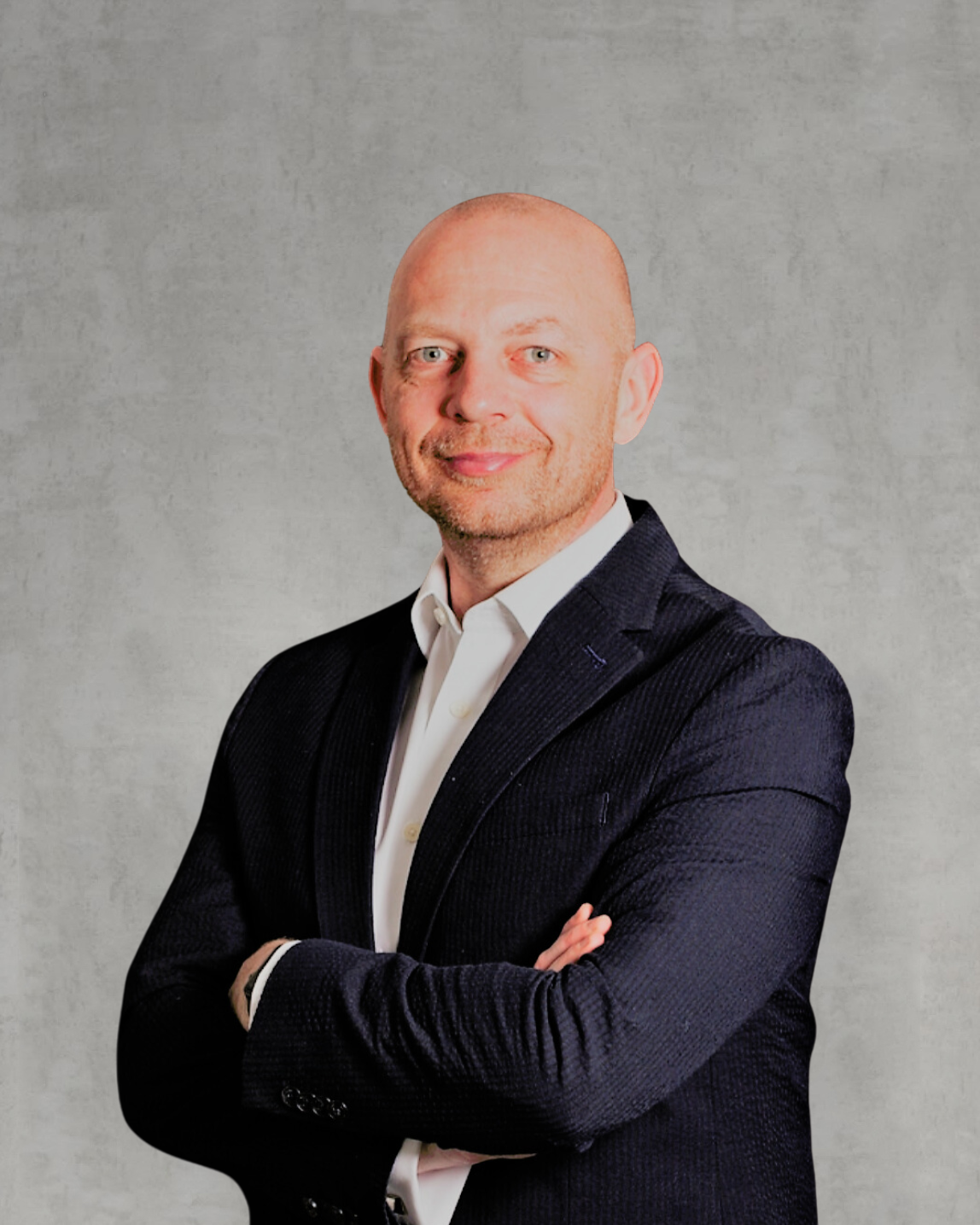
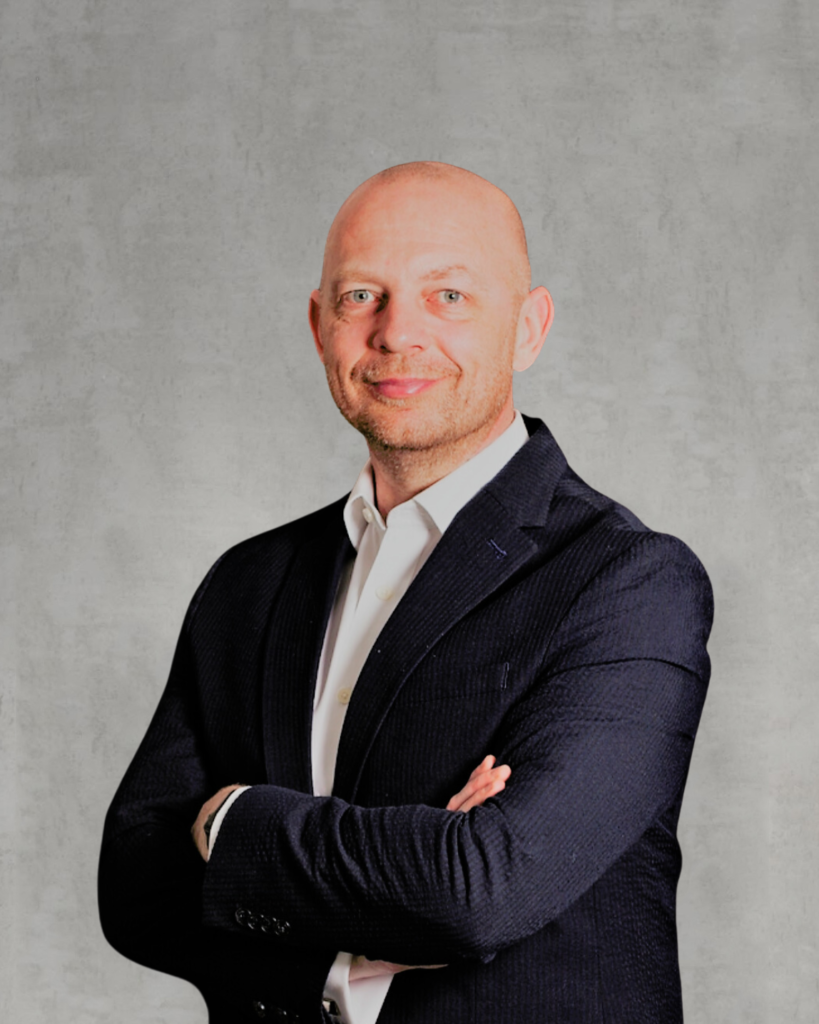
Picture: Dave Robinson and his 31-year-old son Mike, who has Williams Syndrome